
How to Maintain a Car for Long-Term Performance: Essential Tips for Longevity and Reliability
Maintaining a car for long-term performance requires regular attention to key components like the engine, brakes, and fluids. Consistent servicing, timely oil changes, and checking tyre pressure are essential to keep a vehicle running smoothly over time.
Ignoring routine maintenance can lead to costly repairs and diminished performance. A well-maintained car not only lasts longer but also performs more efficiently and safely on the road.
Critical Routine Maintenance Practices
Maintaining a car for long-term performance requires paying close attention to specific, regular tasks. These tasks focus on keeping essential systems functioning optimally and preventing premature wear or failure.
Engine Oil and Regular Oil Changes
Engine oil lubricates moving parts, reducing friction and preventing overheating. Over time, it degrades and collects contaminants that can damage the engine. Regular oil changes, typically every 8,000 to 12,000 kilometres or as recommended by the manufacturer, are essential.
Using the correct oil grade and quality is critical. Synthetic oils often provide better protection and last longer than conventional oils. Ignoring oil changes risks reduced engine efficiency, increased fuel consumption, and costly repairs.
Fluid Level Inspections and Top-Ups
Cars rely on multiple essential fluids beyond engine oil. These include coolant, brake fluid, transmission fluid, and power steering fluid. Regular checks prevent overheating, braking faults, and transmission problems.
Coolant levels must be checked when the engine is cold. Low coolant can cause engine overheating and damage. Brake fluid should be clear, without debris, and maintained at correct levels to ensure reliable brake performance and safe stopping distances.
Tyre Pressure and Tread Depth Checks
Correct tyre inflation is key to safety, fuel efficiency, and tyre longevity. Tyres should be checked monthly with a reliable pressure gauge and inflated to the vehicle manufacturer’s specifications, usually found on a sticker inside the driver’s door.
Tread depth must be monitored to ensure adequate grip, especially in wet conditions. The legal minimum is 1.6 mm, but changing tyres before reaching this limit improves safety. Uneven tread wear may indicate alignment or suspension issues needing attention.
Brake System Checks and Brake Inspections
The braking system is critical to vehicle safety and should be inspected regularly. Brake inspections include checking pads, discs, and fluid. Worn brake pads reduce braking efficiency and may damage discs.
Brake fluid degrades over time and can absorb moisture, which reduces its effectiveness and may cause corrosion. It is advisable to flush and replace brake fluid every two years or as specified by the vehicle manufacturer. Any signs of spongy brake pedal, unusual noises, or longer stopping distances should prompt immediate inspection.
Proactive Tyre and Brake Care
Maintaining tyres and brakes is critical for safety and optimal vehicle performance. Regular attention to tyre rotation, tread depth, and brake condition prevents uneven wear and extends service life.
Tyre Rotation and Alignment
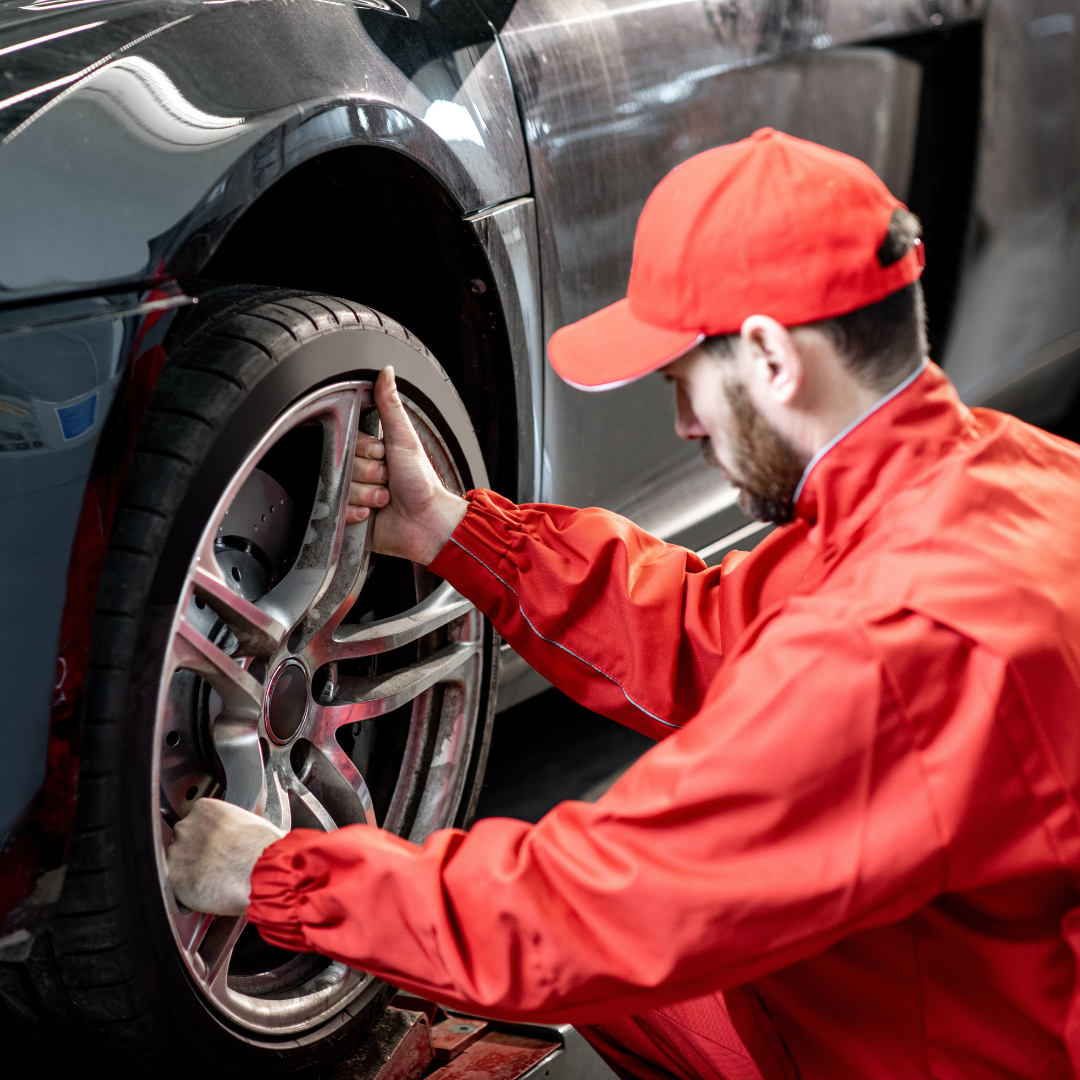
Tyre rotation involves changing the position of each tyre at set intervals to promote even tread wear. Experts recommend rotating tyres every 8,000 to 12,000 kilometres, but this varies by vehicle and driving conditions.
Proper alignment ensures tyres meet the road correctly, reducing uneven tread wear and improving fuel efficiency. Misaligned wheels can cause rapid tyre degradation and handling problems.
Signs to check alignment include uneven tread wear, the vehicle pulling to one side, or a crooked steering wheel when driving straight. Regular inspection helps maintain tyre health and avoids premature tyre replacement.
Brake Pad and Rotor Maintenance
Brake pads wear down with use and must be inspected frequently to maintain stopping power. Most brake pads need replacement every 30,000 to 70,000 kilometres, depending on driving style and conditions.
Rotors can become warped or worn, causing vibration or noise during braking. Measuring rotor thickness helps determine when replacement or resurfacing is necessary.
Fitting new brake pads on damaged rotors reduces braking efficiency and increases wear. Proper maintenance of both pads and rotors ensures consistent braking performance and safety.
Battery, Electrical System, and Fluids
Proper care of the car’s battery, electrical components, and fluid levels ensures steady performance and prevents breakdowns. Regular checks and timely maintenance of these elements are critical.
Maintaining Your Car Battery
He should inspect the car battery terminals monthly to ensure they are clean and free of corrosion. Corroded terminals can cause poor connections and reduce battery efficiency. Cleaning terminals with a mixture of baking soda and water is effective.
Using a trickle charger during extended periods of inactivity prevents the battery from discharging completely. This helps maintain the battery’s charge and prolongs its life. Battery voltage should be tested regularly, ideally with a multimeter, to confirm it stays above 12.4 volts.
Replacing the battery every 3-5 years is advisable, depending on climate and usage. Signs of a failing battery include a slow engine crank and dim headlights.
Power Steering and Transmission Fluid
Checking fluid levels regularly is essential for both power steering and transmission systems. Low fluid levels can cause steering stiffness or transmission slipping.
Power steering fluid should be clear or slightly amber. If it appears dark or smells burnt, it needs replacement. Many cars require this fluid to be changed every 50,000 miles or as stated in the owner’s manual.
Transmission fluid colour is a reliable indicator of health. It should be red or pink. Dark, brown, or black fluid indicates contamination or wear. Regular fluid changes, roughly every 30,000 to 60,000 miles, help prevent gear damage and maintain smooth shifting.
Both fluids require fluid-level checks with the engine warm and the vehicle on level ground for accurate readings.
Smart Driving Habits and Vehicle Protection
Maintaining long-term performance depends heavily on how a driver manages speed, fuel use, and protection against weather conditions. Thoughtful habits reduce wear and tear while optimising engine function and economy.
Driving Style and Speed Limit Adherence
Adhering to speed limits significantly protects the engine and braking system from excessive stress. Driving at moderate speeds reduces fuel consumption and lowers the risk of costly repairs due to overheating or component failure.
Smooth acceleration and braking also matter. Abrupt changes increase brake wear and strain the transmission. Maintaining a consistent speed helps preserve engine performance and extends lifespan.
Tailgating and frequent lane changes increase accident risk and wear on tyres and suspension. By keeping safe distances and avoiding aggressive manoeuvres, drivers reduce the likelihood of mechanical damage.
Fuel Economy and Efficiency Tips
Fuel economy improves with regular maintenance such as timely oil changes, clean air filters, and using the correct fuel grade. These steps ensure the engine runs efficiently, optimising combustion.
Tyre pressure directly affects fuel efficiency. Under-inflated tyres increase drag and reduce economy, so checking pressure monthly is important.
For electric vehicles, managing battery charge cycles and avoiding extreme temperatures preserves battery life. Using eco-driving modes where available also maximises range.
Basic habits like planning routes to avoid heavy traffic and removing unnecessary weight improve fuel efficiency. Turning off the engine during long stops saves fuel and reduces emissions.
Seasonal Car Care and Protection
Seasonal care protects vehicles from specific environmental damage. In winter, using appropriate windshield washer fluid prevents freezing, and engine warm-up times improve performance.
A quality car cover shields paintwork and seals from sun damage, rainfall and dust. It also helps maintain components affected by moisture, such as rubber trim.
Summer driving demands checks on cooling systems to avoid overheating. Flushing coolant and inspecting hoses prevents breakdowns due to heat.
Adjusting driving style for conditions, such as slower speeds on wet or icy roads, protects both the vehicle and its occupants from avoidable wear and accidents.