

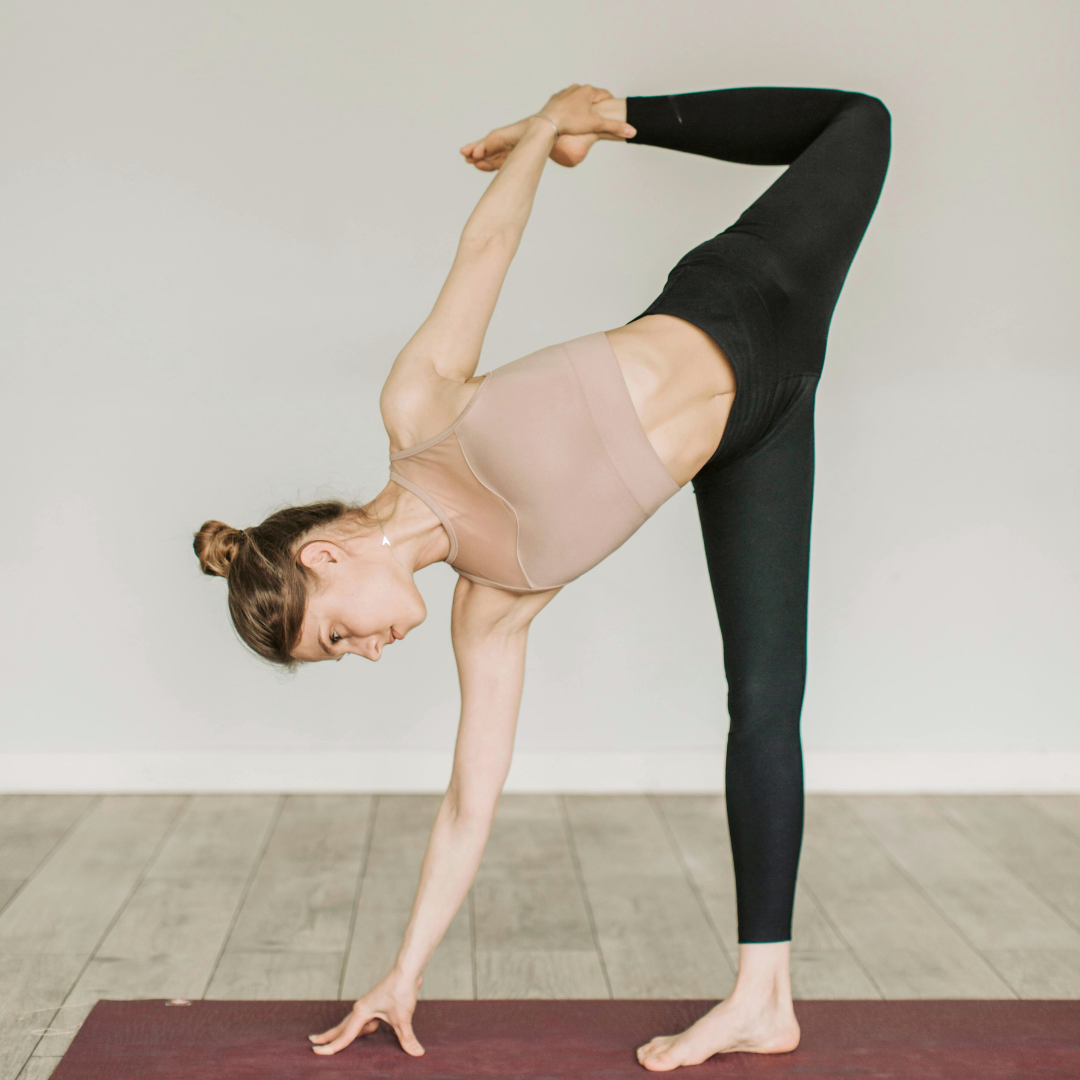
Stretching Routines to Boost Flexibility for Improved Mobility and Injury Prevention
Stretching routines play a key role in improving flexibility, which benefits overall movement and reduces muscle stiffness. Incorporating targeted flexibility exercises into daily habits helps increase the range of motion in joints and muscles.
Consistent and well-structured stretching routines are the most effective way to boost flexibility safely and sustainably. These exercises can be tailored to different fitness levels and needs, making it easier to maintain progress over time.
Understanding the right techniques and when to stretch is essential for avoiding injury and maximising benefits. This guide will explore practical stretching routines that anyone can follow to enhance their flexibility.
Key Benefits of Stretching for Flexibility
Stretching routines directly impact how the body moves and functions daily. They contribute to improving movement control, posture, and reducing the risk of injuries during physical activities.
Improved Range of Motion
Stretching increases the length of muscles and tendons, which helps enhance the range of motion in joints. This greater flexibility allows individuals to perform movements with less resistance and achieve more fluidity in activities such as bending, reaching, or twisting.
Regular stretching reduces muscle stiffness, which often limits motion. By elongating tight muscles, it becomes easier to move joints through their full capacity, crucial for both daily tasks and exercise routines.
Enhanced Posture and Mobility
Flexibility exercises target muscle imbalances that can negatively affect posture. Stretching tight muscles, especially around the hips, shoulders, and back, helps align the spine and joints correctly.
Improved posture directly assists mobility, making walking, sitting, and standing more comfortable. It reduces tension in key muscle groups, supporting a healthy lifestyle by decreasing strain and discomfort associated with poor posture.
Injury Prevention and Physical Performance
Stretching prepares muscles for activity and reduces the risk of strains or sprains by increasing flexibility around vulnerable joints. It promotes blood flow and muscle elasticity, enhancing physical performance in both casual and athletic settings.
In the context of athletic performance, regular stretching lowers the chance of injuries and supports faster recovery. This preventive aspect contributes to consistent training and greater long-term fitness progress.
Essential Stretching Techniques Explained
Effective stretching techniques target different muscle groups and serve unique purposes within a stretching routine. They range from slow, sustained holds to active movements, each contributing to the goal of increasing flexibility and preparing the body for activity.
Static Stretches
Static stretches involve holding a stretch position for a set time, usually 15 to 60 seconds. This technique focuses on elongating specific muscle groups gradually. The individual should avoid bouncing or abrupt movements to prevent injury.
Common examples include hamstring stretches, calf stretches, and shoulder stretches. Static stretching is best performed after a workout when muscles are warm. It helps improve flexibility by increasing the muscle’s length and range of motion over time.
Dynamic Stretching Exercises
Dynamic stretching uses controlled, active movements to warm up muscles and joints. Rather than holding a position, these exercises involve repetitive motion through the full range of movement. Examples are leg swings, arm circles, and walking lunges.
Dynamic stretches increase blood flow and activate the nervous system. They are ideal before physical activity because they improve mobility and reduce the risk of strains. The key is smooth, controlled movement targeting major muscle groups without forcing the stretch.
Flexibility Training Approaches
Flexibility training combines various stretching exercises to create a balanced routine. It can include both static and dynamic stretches, tailored to the individual’s needs and fitness goals.
Consistency and gradual progression are essential. Using a combination of stretching techniques increases overall muscle elasticity and joint mobility. Tracking progress and focusing on major muscle groups like hips, hamstrings, and shoulders ensures steady improvement in flexibility.
Recommended Stretching Routines to Boost Flexibility
Effective stretching routines focus on improving the range of motion gradually while targeting major muscle groups. These routines vary by time of day and purpose but consistently integrate deliberate movements to enhance flexibility through regular practice.
Full Body Routine
A full-body routine targets all primary muscle groups to ensure balanced flexibility development. It includes dynamic stretches such as leg swings, arm circles, and spinal twists for warm-up, followed by static stretches like hamstring stretches, quadriceps stretches, and chest openers.
Including yoga poses such as Downward Dog and Seated Forward Fold helps lengthen muscles while increasing joint mobility. This routine typically takes 20-30 minutes and suits individuals aiming for overall flexibility maintenance or improvement.
Holding each static stretch for 20-30 seconds with slow breathing supports muscle elongation. Repeating the sequence two to three times per week can steadily enhance the range of motion and flexibility.
Morning Flexibility Routine
Morning routines should gently awaken muscles and improve circulation to prepare the body for the day. Simple yoga flows combined with light stretches like Cat-Cow, Neck Rolls, and Side Bends can effectively loosen tightness after sleep.
The emphasis is on smooth, controlled movements rather than deep stretching. Stretching for 10-15 minutes shortly after waking promotes joint lubrication and reduces morning stiffness.
This routine encourages flexibility without causing strain, using flexibility exercises that engage the entire body subtly, avoiding overstressing cold muscles early in the day.
Evening Stretching for Relaxation
Evening routines focus on releasing tension accumulated during the day and promoting muscle recovery. Static stretches such as hip flexor stretches, calf stretches, and shoulder openers are ideal here.
Including restorative yoga poses like Child’s Pose and Reclining Twist calms the nervous system and aids relaxation. This routine should last 15-20 minutes, preferably performed slowly with deep breathing to improve flexibility while preparing the body for restful sleep.
Evening stretching routines help maintain range of motion and flexibility by preventing muscle tightness and encouraging relaxation before bedtime.
Effective Flexibility Stretches and How to Perform Them
Targeting specific muscle groups with precise stretches improves overall mobility and reduces muscle tightness. Incorporating controlled motions and proper alignment is key to maximising results and avoiding injury.
Hamstring Stretch and Forward Fold
The hamstring stretch can be performed standing or seated, focusing on lengthening the muscles at the back of the thigh. For the standing hamstring stretch, the individual should extend one leg in front, heel on the ground, and gently lean forward from the hips while keeping the back straight. Hold for 20-30 seconds without bouncing.
A seated forward fold involves sitting with legs extended and slowly reaching toward the toes while maintaining a flat back. This improves both hamstring length and spinal flexibility. Avoid forcing the stretch to reduce the risk of strain.
Butterfly Stretch and Hip Flexor Stretch
The butterfly stretch targets the inner thighs and hips. Sitting with the soles of the feet together, the individual gently presses the knees towards the floor. Keep the spine upright and hold for 20-30 seconds. This stretch increases hip flexibility and relieves tightness in the groin.
For the hip flexor stretch or figure four stretch, one knee bends with the foot crossed over the opposite leg. Leaning forward slightly deepens the stretch. This position effectively targets the hip flexors, which are crucial for daily movements like walking and running.
Child’s Pose and Cobra Stretch
The child’s pose is a resting posture that gently stretches the lower back, hips, and knees. Kneeling on the floor, the individual sits back on their heels and extends the arms forward, keeping the forehead on the ground. This promotes spinal flexibility and relaxation.
The cobra stretch helps extend the spine and open the chest. Lying face down, hands are placed under the shoulders, pressing the upper body upward while keeping the hips on the floor. Hold for 15-30 seconds. This pose enhances spinal and abdominal flexibility.
Shoulder and Triceps Mobility
To improve shoulder mobility, the arm is extended across the body at shoulder height, and the opposite hand gently pulls it closer to the chest. This shoulder stretch loosens tight muscles and increases range of motion.
The overhead triceps stretch involves raising one arm overhead and bending the elbow to reach down the back. The opposite hand presses gently on the bent elbow. This stretch targets the triceps and improves flexibility in the upper arm and shoulder joint, aiding in daily reaching movements.