

How to Find the Right Sport for Your Lifestyle: A Practical Guide to Staying Active
Finding the right sport to fit a lifestyle depends on understanding personal preferences, time availability, and physical condition. Some people prefer team sports for social interaction, while others might choose individual activities for flexibility.
The best approach is to evaluate what motivates and suits daily routines, ensuring the chosen sport can be consistently enjoyed without causing stress or burnout. Considering factors like location, cost, and health goals will help narrow down suitable options.
By focusing on these practical elements, anyone can identify a sport that complements their life rather than complicates it. This makes staying active both achievable and enjoyable.
Clarifying Your Fitness and Lifestyle Goals
Understanding what he or she wants from physical activity helps shape the choice of sport. Clarity on fitness aims, daily commitments, and mental well-being influences what fits best.
Defining Personal Fitness Goals
He or she should start by specifying clear fitness goals. These might include weight loss, improving cardiovascular health, building strength, or enhancing flexibility. Goals should be measurable and time-bound, such as losing 5kg in three months or running a 5k in under 30 minutes.
Tracking progress enables adjustments in training intensity or sport choice. Personal preferences also matter; some prefer high-intensity workouts while others favour moderate, consistent activities. Being realistic about current physical health status helps avoid injury and creates prolonged engagement.
Identifying Lifestyle Constraints
Daily routines and obligations define how much time and energy can be devoted to sport. Work hours, family responsibilities, and social commitments might limit availability to early mornings or weekends only.
He or she should consider travel time to facilities or the need for special equipment. Financial constraints also affect the choice, as some sports require more investment than others.
Understanding these constraints helps narrow down practical options rather than ideal but unfeasible sports.
Balancing Physical and Emotional Health
Physical activity influences not just the body but also emotional health. He or she needs to pick a sport that reduces stress rather than adding pressure.
Sports with social elements can support emotional well-being by building community. Others prefer solo activities for reflection and mindfulness.
Balancing activity intensity is key; overtraining risks burnout. Choosing an enjoyable sport increases motivation, aiding consistency and long-term success.
Evaluating Types of Sports for Different Needs
Choosing a sport depends on one’s preferences for competition, physical demands, and social interaction. Sports vary significantly in their approach, intensity, and the skills required, so understanding these factors helps match the sport to an individual’s lifestyle and goals.
Individual Versus Team Sports
Individual sports focus on personal performance, allowing participants to control their progress and pace. Examples include long-distance running, weightlifting, and yoga. These sports suit those who prefer solitude or flexible schedules.
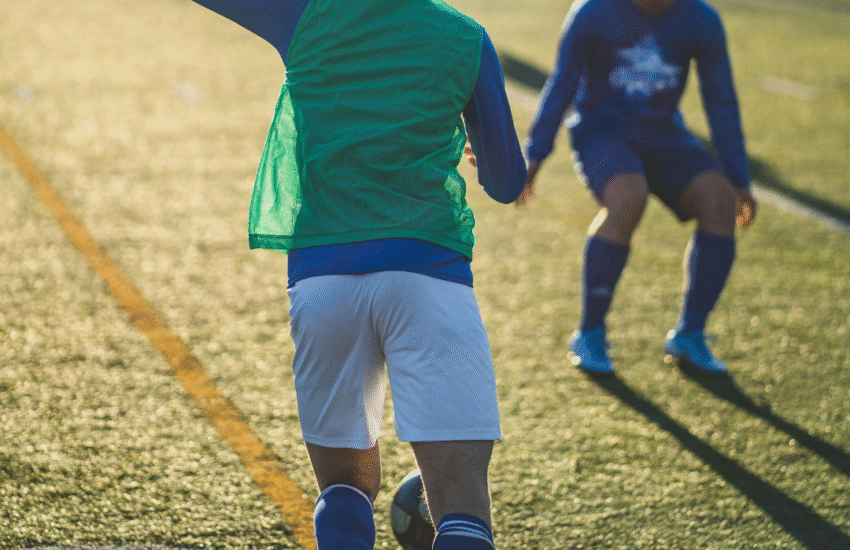
Team sports, such as soccer, basketball, and volleyball, require cooperation and communication. They improve social skills and create a sense of community. People seeking teamwork and regular social interaction often find these activities rewarding.
Cardiovascular Activities and Endurance
Cardiovascular sports enhance heart and lung capacity through sustained effort. Long-distance running stands out as an endurance sport that builds stamina and improves overall fitness.
Rowing combines cardiovascular effort with strength, demanding both endurance and technique. These activities suit individuals aiming for improved aerobic capacity and calorie burning in a structured yet challenging setting.
Strength and Flexibility Sports
Strength sports focus on muscle building and power. Weightlifting is a prime example, developing strength through resistance training and controlled movements.
Flexibility sports like yoga and Pilates improve muscle elasticity, balance, and core strength. They support injury prevention and promote mobility, appealing to those who prioritise functional fitness alongside strength.
Sports for Social Engagement
Sports providing social interaction often take place in teams or clubs. Soccer and basketball foster bonds through regular training and competition, creating opportunities to meet new people.
Volleyball offers a social, often recreational environment that promotes teamwork and communication. These sports align with individuals wanting exercise combined with a strong social setup.
Matching Sports to Your Lifestyle
Selecting a sport that fits practical daily routines, available resources, and desired intensity improves consistency and enjoyment. Prioritising time management, equipment needs, and physical demands helps identify suitable options.
Fitting Exercise Into a Busy Schedule
People with limited time benefit from sports that require short, easily scheduled sessions. Running and cycling are flexible choices since they can often be done near home or work without lengthy preparation.
High-intensity interval training (HIIT) through running can maximise workout efficiency in as little as 20-30 minutes. Cycling to commute adds exercise without consuming extra time.
Swimming requires access to a pool and set pool times, making it less flexible but ideal for those with scheduled slots. Participants should assess if their routine supports consistent access and travel time.
Choosing Low-Equipment or Accessible Sports
Selecting sports with minimal or commonly available equipment reduces barriers to starting and maintaining activity. Running requires just running shoes and suitable clothing, while cycling demands a bike, but it can be budgeted for with second-hand options.
Swimming needs a pool membership or public access, which may not always be convenient or affordable. Rock climbing generally involves specialised gear and facilities but can be accessible through climbing gyms offering hire equipment.
Sports that are easily integrated into local environments, such as running on neighbourhood paths or cycling lanes, support regular participation without logistical challenges.
| Sport | Equipment Required | Accessibility |
| Running | Running shoes | Very high; almost anywhere |
| Cycling | Bike, helmet | High, depending on cycling paths |
| Swimming | Swimwear, access to the pool | Medium; availability varies |
| Rock climbing | Harness, shoes, gym access | Lower; requires facilities |
Considering the Level of Physical Exertion
Different sports impose varying physical demands that influence suitability depending on fitness levels and goals. Running and cycling can range from moderate to high exertion based on pace and duration.
Swimming offers a full-body workout with controlled impact, suitable for varying exertion intensities and beneficial for those seeking joint-friendly exercise. It can be moderate or vigorous, depending on the stroke and speed.
Rock climbing demands strength, endurance, and mental focus. It generally involves intermittent bursts of high exertion, which can be challenging for beginners but rewarding for those seeking intense activity.
Participants should assess their current fitness and health before choosing a sport to minimise injury risk and ensure sustainable enjoyment.
Making a Sustainable, Enjoyable Choice
Choosing the right sport requires understanding what fits well with daily routines and personal preferences. The decision should balance enjoyment with realistic commitments to ensure long-term participation.
Aligning with Interests and Personality
He or she should first consider their natural interests and personality traits. For example, those who enjoy social interaction might prefer team sports like football or netball. In contrast, individuals who value solitude could find running or swimming more satisfying.
It also helps to assess physical preferences. Someone who likes dynamic, fast-paced activity may thrive in basketball or tennis, while a person preferring steady, repetitive motion might enjoy cycling or rowing. Matching sport characteristics with personality increases motivation and enjoyment, reducing the risk of burnout.
Setting Yourself Up for Long-Term Success
Commitment is key to sustaining any sport. They need to evaluate their weekly schedule to allocate consistent time without overwhelming other priorities. Starting with manageable sessions—such as two to three times per week—can build a habit and prevent fatigue.
Having clear goals, like improving endurance or mastering a skill, provides direction and a sense of progress. Additionally, balancing intensity with rest periods prevents injury. They should also consider access to facilities and support systems, such as clubs or coaching, which can enhance enjoyment and accountability.