

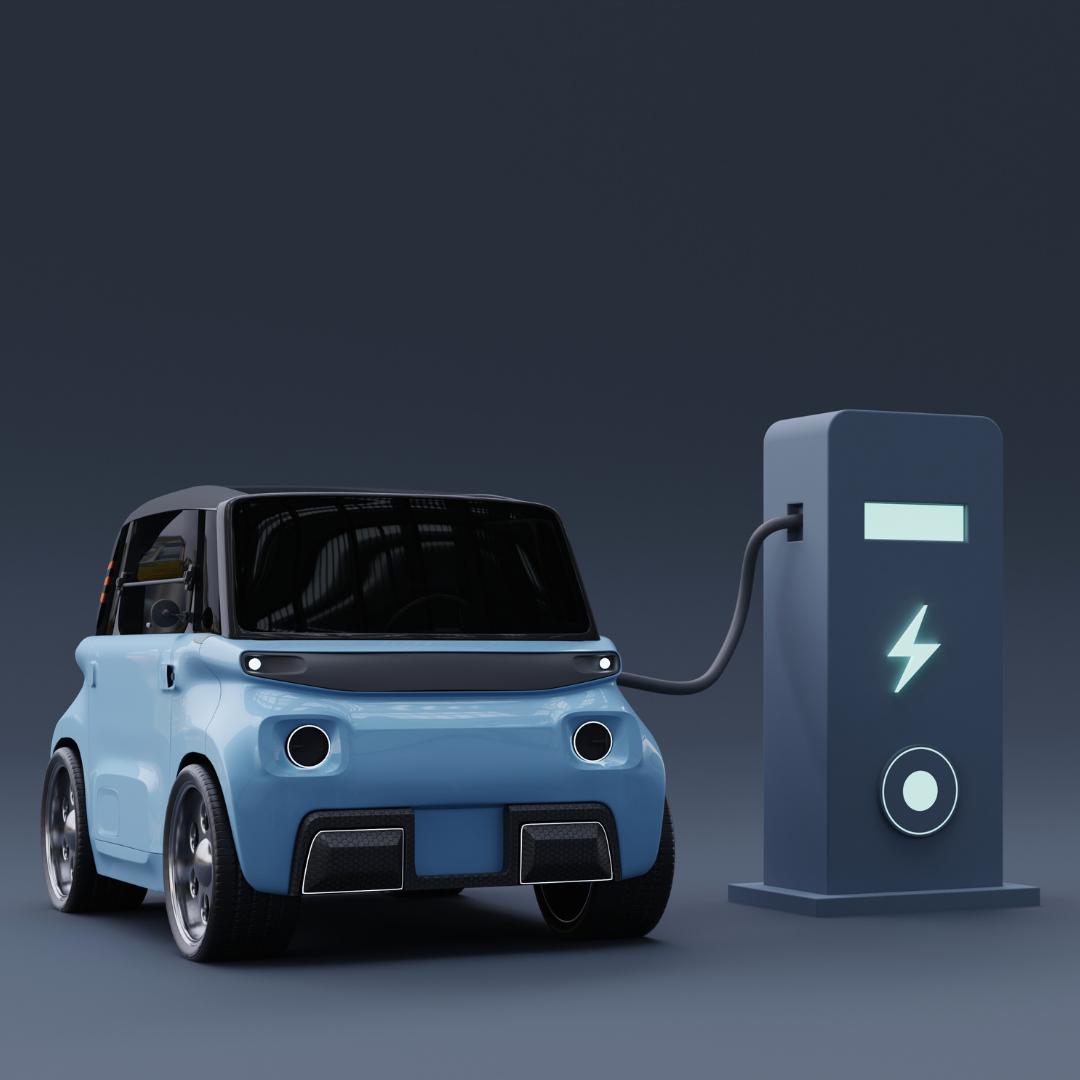
How Electric Vehicles Are Evolving: Innovations Driving the Future of Sustainable Transport
Electric vehicles (EVs) are undergoing significant evolution, transforming the landscape of personal and public transport. These advancements include improvements in battery technology, expanded charging infrastructure, and various new models that cater to diverse consumer needs. With governments worldwide pushing for greener solutions, the shift towards EVs is not just a trend; it is an essential step towards sustainability.
Innovations in battery life and efficiency have resulted in increased driving ranges and shorter charging times, addressing past concerns about the practicality of EVs. As manufacturers invest in research and development, the variety of available models continues to grow, offering consumers choices from compact cars to larger SUVs. This diversification is pivotal in appealing to different demographics and encouraging broader adoption.
The expansion of charging networks also plays a crucial role in the evolution of electric vehicles. More charging stations are becoming available in urban and rural areas, making EVs more accessible and convenient for everyday use. This infrastructural support, combined with technological advancements, marks a promising future for electric mobility.
Key Innovations in Electric Vehicle Technology
Recent developments in electric vehicle (EV) technology have significantly influenced their adoption and performance. Key innovations have emerged in battery technology, range enhancements, and charging infrastructure, all contributing to a more efficient and user-friendly experience.
Advancements in EV Battery Technology
Battery technology has seen considerable advancements, largely driven by the transition from traditional lithium-ion batteries to newer alternatives. Solid-state batteries are emerging as a compelling option, offering enhanced energy density and safety by replacing liquid electrolytes with solid materials.
Key features of solid-state batteries include:
- Higher Energy Density: They can store more energy within a smaller volume, which is crucial for range enhancement.
- Improved Safety: Reduced risk of leaks or fires compared to conventional batteries.
- Longer Lifespan: They typically have a greater cycle life, resulting in lower replacement frequency.
These innovations are pivotal in making electric vehicles more competitive with internal combustion engine vehicles.
Improved Range and Performance
Electric vehicle range and performance are vital for consumer acceptance. Innovations in battery capacity and lightweight materials contribute to improving both factors.
Important aspects include:
- Higher Capacity Batteries: Newer batteries can achieve ranges exceeding 500 kilometres on a single charge.
- Regenerative Braking: This technology allows EVs to convert kinetic energy back into stored energy, enhancing efficiency.
- Optimised Drivetrains: Advanced motor designs and control systems improve acceleration and performance.
As range improves, EVs become increasingly viable for longer trips, bolstering EV adoption.
Charge Time and Charging Infrastructure
The convenience of charging is a key consideration for potential EV users. Innovations in charging technology are addressing the historically long charge times associated with electric vehicles.
Key developments include:
- Fast Charging Stations: New stations can recharge a vehicle to 80% in around 30 minutes.
- Home Charging Solutions: Enhanced home charging units allow users to conveniently charge their vehicles overnight, integrating EVs seamlessly into daily routines.
- Smart Charging Networks: These utilise renewable energy sources and optimise charging times, reducing costs.
As charging infrastructure expands and improves, the practicality of electric vehicle ownership continues to enhance, making them an attractive option for many consumers.
Environmental and Societal Impact
Electric vehicles (EVs) play a significant role in advancing sustainability and reducing environmental harm. Their contribution spans from decarbonisation efforts to innovations in recycling, impacting both the planet and society at large.
Sustainability and Decarbonisation
EVs represent a crucial step towards sustainability and decarbonisation in the transport sector. By transitioning from fossil fuels to electricity, these vehicles can drastically lower their carbon footprints when powered by renewable energy sources.
The shift to EVs encourages the development of cleaner energy grids. Such integration promotes further advancements in renewable technologies, fostering a cycle of sustainability. Therefore, widespread adoption supports global targets to mitigate climate change.
Reducing Greenhouse Gas Emissions
The adoption of electric vehicles is pivotal in reducing greenhouse gas (GHG) emissions. Traditional internal combustion engines emit significant amounts of CO2 and other pollutants. In contrast, EVs produce zero tailpipe emissions, contributing directly to improved air quality.
When combined with renewable electricity sources, the life-cycle emissions of EVs can be significantly lower than those from conventional vehicles. This shift not only benefits the environment but also public health, reducing respiratory diseases linked to poor air quality.
Role of Recycling and the Circular Economy
Recycling processes for EV batteries are fundamental to achieving a circular economy. Battery materials such as lithium, cobalt, and nickel can be extracted and reused, greatly reducing the need for new raw materials.
This practice not only conserves resources but also minimises environmental degradation associated with mining. As EV technology evolves, enhancing recycling methods will be vital, ensuring sustainable growth and reducing waste within the industry.
Overall, a robust recycling system will help maintain the longevity of EVs while integrating environmental responsibility into the foundation of electric mobility.
Trends Influencing the Evolution of Electric Vehicles
Recent developments in electric vehicles (EVs) reveal important trends in sales, adoption, and partnerships. These factors are significantly shaping the landscape of mobility, driving advancements in technology and infrastructure.
EV Sales and Consumer Adoption
EV sales have experienced remarkable growth, particularly in regions such as Europe and North America. Government incentives, rising fuel prices, and growing environmental awareness contribute to this upward trend.
In 2024, global EV sales surpassed 10 million units, marking a key milestone. The adoption rate among consumers has also increased, driven by improved vehicle ranges and charging infrastructure.
A growing variety of models, from compact cars to luxury vehicles, cater to diverse consumer preferences. As EV technology advances, battery costs are projected to fall, making these vehicles more affordable for the average buyer.
Moreover, with more drivers making the switch to electric, the impact of this transformation extends well beyond the vehicles themselves. Businesses, property developers, and homeowners are now adapting to meet increased charging demands.
Many are partnering with licensed electricians from reputable firms, such as Court Electrical Service, to install safe, code-compliant charging stations that ensure reliable use for daily commuting.
This widespread shift illustrates how EV adoption is reshaping not only transportation but also the infrastructure of modern living. From homes and workplaces to public spaces, the push toward electric mobility is accelerating a cleaner, more energy-efficient future.
Partnerships and Industry Collaboration
Partnerships among automakers, tech firms, and energy providers are fundamental to the evolution of EVs. Collaborations focus on developing better battery technology, enhancing charging networks, and improving supply chain efficiency.
For instance, automotive manufacturers are teaming up with technology companies to advance autonomous driving features and software integration. Additionally, companies are investing in renewable energy solutions to charge EVs sustainably.
These alliances are crucial for addressing challenges such as battery recycling and resource sourcing. By pooling resources and expertise, stakeholders aim to accelerate the transition to electric mobility while ensuring the environment also benefits from these advancements.