

How to Build a Fitness Routine That Suits Your Lifestyle
Finding a fitness routine that fits one’s lifestyle can be challenging. Busy schedules, varying energy levels, and personal preferences all play crucial roles in determining what works best for an individual. Creating a sustainable fitness plan involves recognising personal goals, choosing enjoyable activities, and integrating workouts seamlessly into daily life.
Motivation is key when establishing a fitness journey. Individuals must identify what drives them to stay active, whether it’s improving health, building strength, or simply enjoying the process. Tailoring a routine that aligns with these motivations can lead to lasting commitment and satisfaction.
Incorporating flexibility into a fitness routine is essential. Life’s unpredictability often requires adjustments to plans, and having a variety of workouts at one’s disposal ensures that exercise remains a priority, no matter the circumstances. By crafting a personalised fitness plan, individuals can achieve their goals while maintaining balance in their busy lives.
Understanding Your Unique Fitness Needs
Creating a personalised fitness routine starts with recognising individual factors that influence one’s approach to exercise. Critical elements include assessing current lifestyles, establishing achievable fitness goals, and identifying obstacles to motivation.
Assessing Your Current Lifestyle and Physical Activity
To begin, evaluating current physical activity levels is essential. Individuals should take time to record daily activities, duration, and intensity. This could involve activities such as walking, cycling, or even household chores.
A self-assessment checklist can aid in this process:
- How many days a week is physical activity performed?
- What types of activities are included?
- How long is typically spent on each activity?
This assessment helps identify patterns and opportunities for improvement. Recognising one’s normal activity can highlight how to seamlessly incorporate fitness into daily routines.
Setting Realistic Fitness Goals
Setting fitness goals should be specific and measurable to encourage progress. Individuals might consider short-term and long-term goals that align with their lifestyles. For example, a short-term goal could be exercising three times a week, while a long-term goal could involve completing a 5K race.
To create SMART goals, individuals should ensure they are:
- Specific: Clearly define the goal.
- Measurable: Track progress over time.
- Achievable: Set a target that is realistic.
- Relevant: Align with personal interests or lifestyle.
- Time-bound: Set a deadline to create urgency.
These elements can greatly enhance motivation and commitment to one’s fitness journey.
Identifying Barriers and Motivation
Identifying barriers to exercise is crucial for maintaining motivation. Common barriers may include a lack of time, insufficient resources, or even physical limitations due to ageing. Recognising these challenges allows individuals to develop tailored strategies.
One effective approach is to list potential barriers and solutions:
| Barrier | Solution |
| Lack of time | Schedule workouts like appointments |
| Equipment costs | Use bodyweight exercises or find alternatives |
| Low energy levels | Incorporate shorter, energising workouts |
By addressing these obstacles, individuals can create a more supportive environment for their fitness journey. Finding intrinsic motivation, such as the enjoyment of movement or personal progress, also plays a key role in maintaining commitment.
Building Your Personalised Fitness Routine
Creating a personalised fitness routine requires careful consideration of individual preferences, goals, and daily life. A well-structured approach to exercise promotes consistency and enjoyment, resulting in a healthier lifestyle.
Choosing the Right Exercise Types
Selecting the right types of exercise is crucial for a personalised routine. Individuals should consider a mix of cardiovascular, strength training, and flexibility exercises.
- Cardiovascular Exercise: This includes activities that elevate the heart rate, such as jogging, cycling, or swimming. Aim for at least 150 minutes of moderate-intensity exercise per week, as recommended by the American Heart Association.
- Strength Training: Incorporating strength training two or more days a week can improve muscle mass and metabolism. Options include weight lifting, resistance bands, or bodyweight exercises like push-ups and squats.
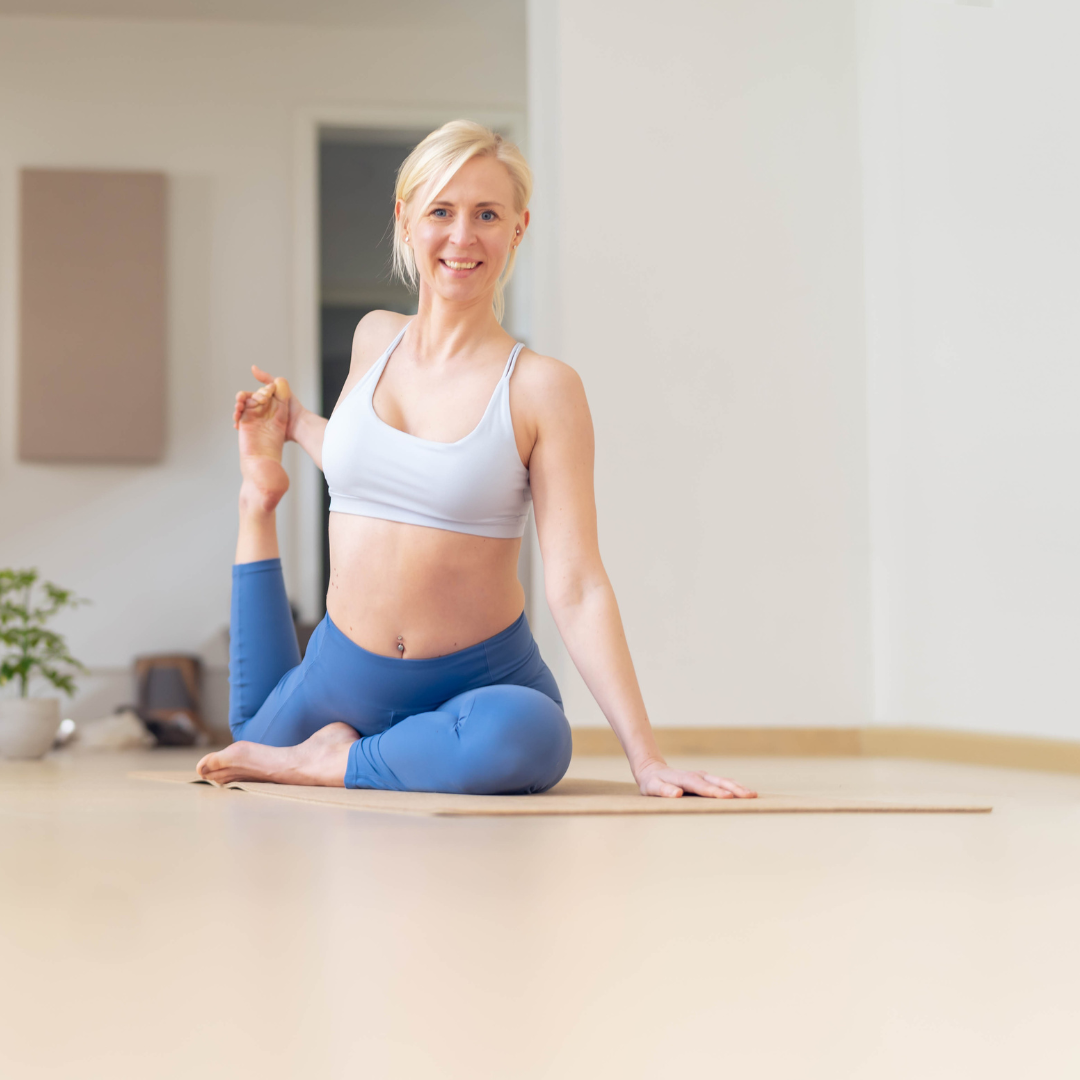
- Flexibility and Balance: Activities such as yoga and pilates enhance flexibility and balance, reducing the risk of injury.
Choosing a blend of these activities will cater to different fitness levels while keeping workouts engaging.
Creating a Sustainable Workout Plan
A sustainable workout plan aligns with one’s schedule and preferences. Consistency is key to long-term success.
- Set Realistic Goals: Establish short-term and long-term fitness goals. This might include completing a 10-minute workout every morning or walking for 30 minutes three times a week.
- Schedule Workouts: Incorporate workouts into daily routines by setting specific days and times. Consistency fosters habit formation, making exercise a regular part of life.
- Start Slowly: For beginners, starting with shorter sessions of 10 to 20 minutes can build confidence and stamina. Gradually increasing intensity and duration helps prevent burnout and injury.
Incorporating Everyday Activities for Better Health
Every day activities can significantly contribute to overall health. Integrating movement into daily routines makes fitness achievable.
- Brisk Walks: Opting for a brisk walk instead of driving can easily add exercise to the day. Walking for at least 30 minutes has numerous health benefits, including improved cardiovascular health.
- Active Commuting: Consider cycling or walking to work or using the stairs instead of elevators.
- Short Breaks: Incorporate short activity breaks during the day. Simple actions like stretching or short walks can enhance energy levels and productivity.
By transforming daily activities into opportunities for exercise, individuals can maintain an active lifestyle effortlessly.
Monitoring Progress and Adjusting
Tracking progress is essential for staying motivated and making adjustments. Regular monitoring enables individuals to optimise their routines effectively.
- Set Benchmarks: Establish specific metrics to track, such as weight lifted, distance run, or time spent exercising.
- Heart Rate Monitoring: Use heart rate monitors to ensure workouts are effective. Achieving and maintaining a target heart rate optimises cardiovascular benefits.
- Adjust as Necessary: If progress stagnates, consider varying workout intensity, duration, or types of exercises.
These adjustments can reignite motivation and result in continued improvement.
Strength and Functional Fitness Strategies
Building strength and enhancing functional fitness are key aspects of a comprehensive fitness routine. Effective strategies help improve mobility, posture, and overall physical performance in daily activities.
Integrating Strength Training and Weight Lifting
Integrating strength training into a fitness routine is essential for gaining muscle mass and improving functional fitness. The focus should be on compound movements that engage multiple muscle groups.
Exercises such as deadlifts, squats, and bench presses can be included. A structured programme should have distinct phases, such as hypertrophy for muscle growth and strength phases, focusing on increasing load.
It’s advisable to start with lighter weights, emphasising proper form. Many benefit from working with a strength coach to ensure techniques are correct and tailored to individual needs.
Boosting Mobility and Posture
Incorporating mobility drills into a fitness routine enhances flexibility and reduces the risk of injury. Improved mobility directly contributes to better posture.
Activities like dynamic stretching and foam rolling can be valuable. Furthermore, strength training exercises should include movements that promote good posture, such as rows and planks.
Regular practice of these strategies helps maintain a neutral spine and aligns the shoulders and hips, essential for daily movement efficiency and long-term health.
Simple Kettlebell Moves for Functional Fitness
Kettlebells are versatile tools for building strength and enhancing functional fitness. Simple kettlebell exercises can be incorporated easily into a routine.
The goblet squat is effective for developing lower body strength while also challenging upper body stability. The suitcase carries the target’s core muscles while improving grip strength and posture.
To maximise benefits, it’s important to focus on breathing and maintaining a strong core during these movements. Regular incorporation of kettlebell exercises ensures a well-rounded functional fitness programme.
Key Support and Lifestyle Factors
Creating a fitness routine that fits one’s lifestyle requires attention to several key elements, including nutrition and exercise balance, professional guidance, and engaging activities. Focusing on these areas helps individuals establish sustainable practices that enhance overall health and enjoyment.
Balancing Nutrition and Exercise
Nutrition plays a crucial role in supporting fitness goals. To maximise results, individuals should aim for a balanced diet that includes a variety of nutrients. This should consist of:
- Carbohydrates: Provide energy for workouts.
- Proteins: Aid in muscle recovery.
- Fats: Essential for hormone regulation.
Incorporating whole foods like fruits, vegetables, whole grains, and lean proteins can provide the necessary fuel. Staying hydrated is equally important, as water aids in performance and recovery. Consider planning meals around workout schedules for optimal energy levels. Maintaining a food diary can also help track nutrient intake and identify areas for improvement.
Seeking Guidance from Fitness Professionals
Working with a personal trainer can provide invaluable insight and motivation. A professional can design a customised fitness programme tailored to specific needs and goals. They can also teach proper form and technique, reducing the risk of injury.
Personal trainers often provide ongoing support and accountability, which can be essential for maintaining consistency. Many also offer nutritional advice, helping individuals make informed decisions about their diet. Regular check-ins can ensure progress remains aligned with personal fitness objectives.
Finding Enjoyable Activities to Stay Motivated
Engaging in enjoyable activities is vital for maintaining a fitness routine long-term. Individuals should explore various options to identify what resonates with them. This could include:
- Walking: A low-impact exercise that can be easily integrated into daily life.
- Group classes: These can provide a sense of community and make workouts more fun.
- Outdoor sports: Activities like cycling or hiking combine fitness with nature.
Finding one’s passion is often termed “finding your jam.” When exercise feels enjoyable, it becomes easier to stay committed and motivated. Regularly incorporating varied activities can also prevent boredom and promote overall engagement with fitness.31/07/2025