
How to Create a Home Gym: Essential Tips for Success
Creating a home gym can be a game changer for those looking to achieve their fitness goals without the hassle of travelling to a commercial gym. By setting up a dedicated space for training, individuals can tailor their workouts to their specific needs and preferences, making it easier to stay motivated and on track. With a thoughtful approach, transforming any spare room or corner into a workout area is entirely feasible.
One of the significant advantages of having a home gym is the flexibility it provides. It allows for a personalised routine that fits into one’s lifestyle, whether it’s early-morning sessions or late-night workouts. Access to the right equipment, combined with a well-structured plan, can help individuals maximise their workout efficiency and promote better health.
Selecting the appropriate equipment and space is crucial for success. From free weights to cardio machines, understanding what gear aligns with personal fitness goals will enhance the training experience. This guide will outline essential steps and considerations for anyone ready to invest in their health and fitness through a home gym setup.
Planning Your Home Gym
Creating a home gym requires careful consideration of space, fitness goals, and budget. Addressing these factors will help ensure the gym is tailored to individual needs and promotes effective workouts.
Evaluating Space and Necessary Adjustments
Selecting the right space for a home gym is essential. Areas like a spare room, basement, or garage can make great options. If looking to upgrade the home with a dedicated workout space, looking at Sunrooms in Champaign, IL (or sunroom services in your area), could be a fantastic option. Sunrooms provide a bright, open environment with plenty of natural light, creating an inviting and energizing atmosphere for your home gym.
Also, the chosen location should offer enough square footage to comfortably fit gym equipment and allow for movement during exercises. It’s also important to ensure the space can accommodate taller equipment and various exercise movements. If electrical equipment will be used, nearby outlets should be readily available for convenience. Taking accurate measurements can prevent future issues and help determine the best layout for equipment placement.
Once the space and location are finalized, whether it’s a sunroom, basement, or garage, the next key step is designing the room to create a workout-friendly atmosphere. First and foremost, a good home gym requires proper flooring. Rubber mats or interlocking foam tiles are ideal as they provide cushioning, reduce noise, and protect the floor from heavy equipment.
Lighting plays a significant role as well; bright, natural light can be motivating during the day, while warm, focused lighting is great for evening workouts. Installing adjustable LED lights adds flexibility, allowing for changes depending on the time of day and the desired mood.
Proper ventilation and climate control are equally important, especially if the room lacks windows, such as in a basement. A well-functioning air conditioning system ensures that the space remains cool and comfortable, even during intense training sessions. A 1 to 1.5-ton AC unit is typically sufficient for this purpose. To assist with installation, do not hesitate to call in an Air conditioning service Bristol TN, or elsewhere, to ensure everything is set up correctly and efficiently.
Setting Fitness Goals
Establishing clear fitness goals influences the type of equipment required. Goals can vary widely, from weight loss to strength training or improving cardiovascular fitness.
Typical fitness goals include:
- Weight loss: Focus on cardio equipment like treadmills or stationary bikes.
- Strength training: Prioritise free weights, resistance bands, and multi-station machines.
- Overall fitness: A mix of cardio and strength equipment may be ideal for balanced workouts.
Setting SMART (Specific, Measurable, Achievable, Relevant, Time-bound) goals will provide direction. For example, aiming to achieve a specific weight within a set timeframe can motivate and guide exercise choices.
Budget Considerations
Budget is a vital aspect of building a home gym. It dictates the quality and quantity of equipment purchased. Establish a realistic budget based on financial capacity and desired goals.
Cost factors may include:
- Equipment: High-quality equipment might require a significant investment. Consider essential pieces first, like weights and cardio machines.
- Space preparation: Flooring and mirrors may incur additional costs. Budget for these to enhance the workout environment.
- Gym accessories: Items like mats, towels, and storage solutions also add to the overall expense.
In addition to equipment and accessories, the type of space used will also influence the budget. For instance, upgrading to a three car garage could provide the extra room needed for a well-equipped gym, offering flexibility and long-term value without the higher costs associated with building a separate structure. Alternatively, converting an existing finished basement can be a cost-effective way to utilize available square footage while keeping construction expenses relatively low.
Ultimately, to maintain financial control throughout the process, creating a tentative list of necessary items along with their estimated costs is recommended. This approach enables prioritizing purchases effectively and assembling a functional home gym within the available budget.
Essential Equipment Selection
Selecting the right equipment is critical for building an effective home gym. The choice should reflect personal fitness goals and available space while ensuring a balanced workout routine.
Choosing the Right Cardio Machines
For cardiovascular training, a selection of machines can cater to various preferences. Common options include:
- Treadmills: Ideal for running or walking indoors, providing a natural motion for those who enjoy jogging.
- Stationary Bikes: Great for low-impact cycling, suitable for all fitness levels.
- Rowing Machines: Offer a full-body workout and also improve strength and endurance.
When selecting a cardio machine, consider durability and size. It’s essential to choose a machine that fits the space without overwhelming it. Check for features such as programmable workouts and heart rate monitors to enhance the training experience.
Picking Weightlifting Gear
Weightlifting is a fundamental part of any fitness regimen. Key equipment includes:
- Barbells and Weight Plates: These are versatile options for various exercises like squats and deadlifts. Consider both standard and Olympic plates for flexibility.
- Dumbbells: Adjustable dumbbells save space and allow progression in resistance.
- Squat Rack: Provides safety and support for heavy lifts, crucial for strength training.
It’s essential to select equipment that caters to specific workout routines. Ensure the weight is appropriate for the user’s level and that the gear is durable enough for daily use.
Incorporating Bodyweight Exercise Tools
Bodyweight exercises are effective and can be done with minimal equipment. Essential tools include:
- Pull-Up Bar: Enables upper body and core strengthening through various pull-up and chin-up variations.
- Resistance Bands: Perfect for adding resistance without heavy weights, enhancing workouts for strength and mobility.
- Adjustable Bench: Versatile for various exercises such as presses and step-ups.
Together, these tools add variety and depth to a workout routine, helping individuals maintain a balanced and effective training program. That said, before making any purchases, it’s important to assess fitness goals and available space. This typically guarantees the selection of equipment that meets one’s needs without overcrowding the workout area.
So, for those building or upgrading a home gym, researching the Best Home Workout Gear can help ensure the equipment aligns with both goals and space. Ultimately, investing in reliable, versatile gear could significantly boost motivation and results.
Optimising Your Training Routine
Creating an efficient training routine is essential for achieving fitness goals. A well-structured plan promotes strength development and overall fitness. Incorporating variety and progression ensures the workout remains engaging and effective.
Designing a Balanced Workout Plan
A balanced workout plan should include elements of strength training, cardio, and flexibility. It is beneficial to allocate specific days for different training styles. For example:
- Strength Training: Use dumbbells and resistance bands to target major muscle groups. Focus on compound movements like squats, deadlifts, and bench presses.
- Cardio: Incorporate 20-30 minutes of cardiovascular exercise, such as cycling or running on a treadmill, at least three times a week.
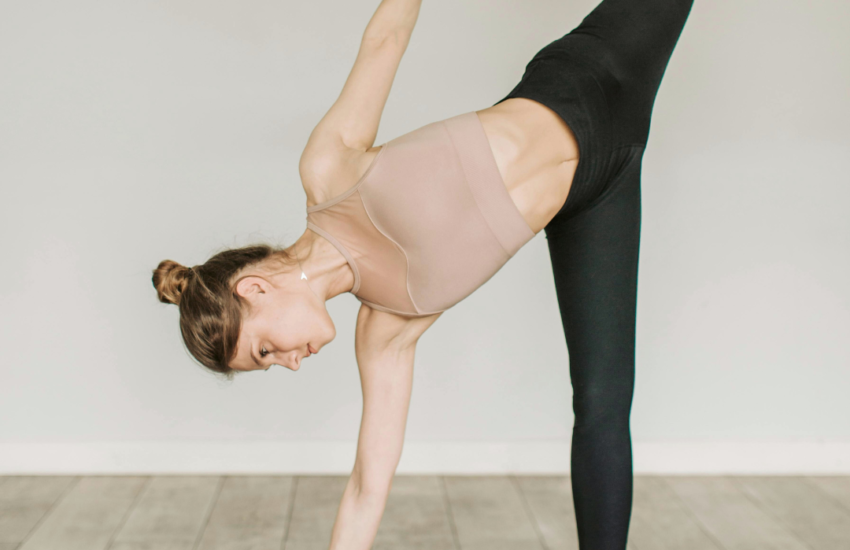
- Flexibility: Dedicate time for stretching or yoga to improve range of motion and prevent injury.
Make sure to adjust the intensity and volume based on personal fitness levels, starting lighter or at lower durations before increasing.
Incorporating Variety and Progressions
To avoid plateaus, it is crucial to introduce variety into workouts. Changing exercises, rep ranges, or equipment can stimulate muscle growth. He can consider the following strategies:
- Exercise Swaps: Replace traditional movements with alternatives. For example, substitute barbell squats with kettlebell goblet squats.
- Progressive Overload: Gradually increase weights or resistance over time. If using a squat rack, aim to add small increments weekly.
- Cross-Training: Combine different forms of exercise, like strength training with high-intensity interval training (HIIT), to keep workouts fresh.
By varying routines and ensuring progress, he can maintain motivation and enhance performance effectively.
Maintaining Your Home Gym
Proper care and attention are essential for ensuring that home gym equipment remains in good condition and performs optimally. This section addresses equipment maintenance and essential safety precautions for a home gym.
Equipment Care and Upkeep
Maintaining gym equipment is crucial for longevity and safety. Regularly inspect items such as treadmills, adjustable benches, and weights for any signs of wear or damage. For treadmills, keep the belt clean and lubricated according to the manufacturer’s guidelines.
Weights and dumbbells should be wiped down after each use to remove moisture and sweat. Incorporating a schedule for deep cleaning all equipment—including squat racks—can help maintain hygiene and prevent rust.
Storing items properly is equally significant. Use racks for weights and ensure that adjustable benches are folded and secured when not in use. This not only saves space but also prevents accidents during workouts.
Safety Considerations
Safety is paramount in a home gym. Ensuring that all equipment is properly assembled and used according to instructions reduces the risk of injury. Users should always check that weights are securely fastened before lifting.
Having ample room to move around equipment like the squat rack and treadmill is vital. Cluttered spaces can increase the risk of trips and falls.
Furthermore, investing in mats can help reduce the impact on floors and provide additional grip. First aid kits should be easily accessible in case of minor injuries. Regular safety checks contribute to a secure workout environment and enhance the overall gym experience.